Angela Yender Health

What we teach

Five programmes, taught as education

Each one is a habit rather than a product: something you learn, write down, repeat and keep. Any of them can be taught in a small workshop, as a written guide, or one to one. None of them is medical care.

Programme one

Everyday movement basics

Joint-friendly strength, balance and posture habits that fit around a working day, taught in short practical sequences. No equipment beyond a floor and a chair, no routine longer than you will actually do.
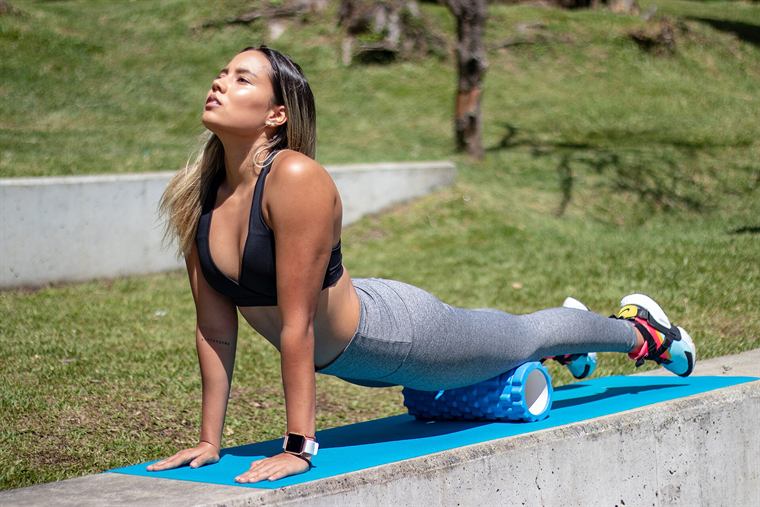
  • Six core movements, each with an easier and a harder version
  • Balance work for gravel, ice, ladders and stairs
  • Posture habits for desks, vehicles and kitchen sinks
  • A ten-minute sequence for the days with nothing spare
A small group class moving together

Programme two

Walking programmes

Route planning, pacing and week-by-week progression for people who want walking to become their main exercise. Built around the roads and paths you already have, and the weather you actually get.

  • Two or three routes near home, timed and written out
  • A pace you can hold while talking, and how to find it
  • Weekly progression that adds distance before it adds speed
  • Winter and altitude adjustments for the Western Slope
A walking trail through open country

Programme three

Sleep and recovery guidance

Habit-level guidance on light, timing, wind-down routines and what to do after a broken week of sleep. We teach the routine; we do not diagnose sleep problems, and we will point you to your doctor when that is the sensible next step.
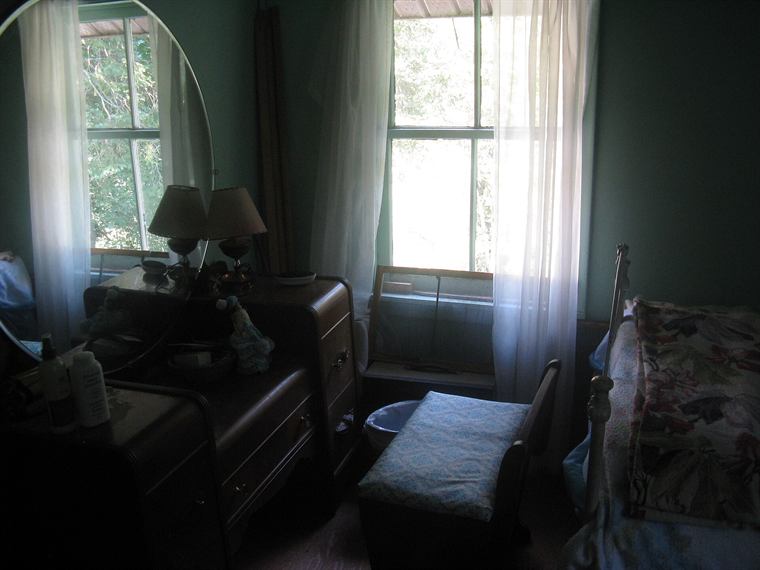
  • A consistent wake-up time, agreed before anything else
  • Light, screens and the last hour of the evening
  • Shift work and the rota that will not allow a routine
  • A plain plan for the day after a bad night
A quiet bedroom prepared for rest

Programme four

Kitchen habit sessions

Simple meal patterns, batch cooking basics and how to read a label without turning it into a physics exam. Taught in a real kitchen, with the equipment a normal house has, not a studio kitchen nobody owns.
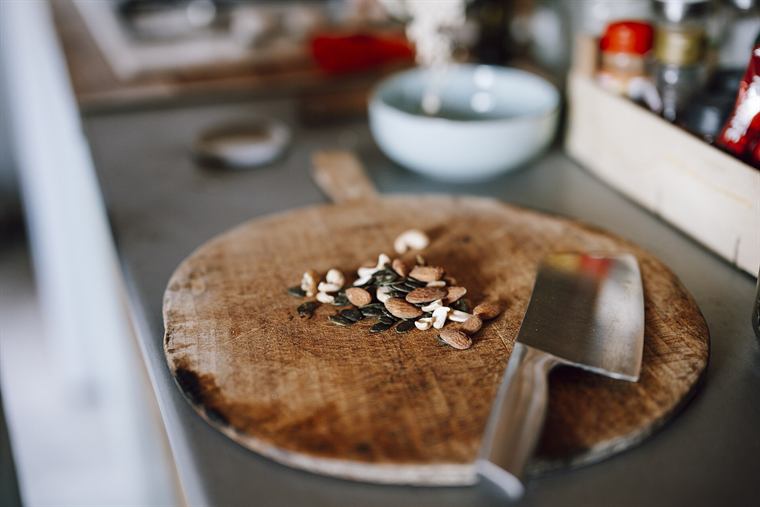
  • Four meal patterns that repeat without getting boring
  • One batch cook that covers three evenings
  • Label reading in ten seconds: what to look at, what to ignore
  • Shopping around what is in season near Montrose
A kitchen set up for simple cooking

Programme five

Breath and stress practice

Short breathing and down-shift practices for busy days, taught slowly and repeated until they stick. These are taught as skills for ordinary pressure, not as therapy, and they are the part of the syllabus people use most often.
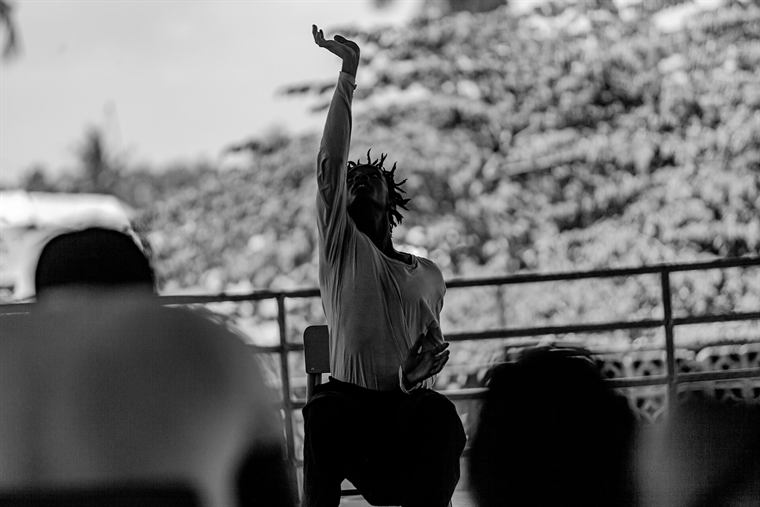
  • Four-count breathing, learned in the room before you need it
  • A version that works standing up, in a car park, in a meeting
  • Down-shift routines for the end of a working day
  • What to do when the practice will not settle you
A seated breathing practice

Three shapes

The same teaching, delivered three ways

Choose the shape that fits your week. Most people start with one and add another later.

Together

Small workshops

Groups of around six, held in Montrose or in a hall near you. Everyone learns the same material at their own level, and nobody demonstrates in front of anybody else.

On paper

Written guides

A habit set out on a page: what to do, why, how often, and the easier version. Useful on its own for readers, and the record everybody takes home after a session.

Privately

One-to-one sessions

In person around Montrose County or remotely elsewhere. Built entirely around your hours, your kitchen, your route and the things you would rather not say in a group.

Subjects covered

What a programme can be built around

These are the subjects our guides and sessions cover. A programme is usually two or three of them, chosen for the life you describe in your first email, and taught in a sequence that makes sense for that life.

  • Everyday movement
  • Balance and joint confidence
  • Walking progression
  • Sleep habits
  • Kitchen routines
  • Breath and stress practice
  • Posture at desks
  • Recovery after busy weeks
Fresh vegetables ready for a simple meal
Kitchen work starts with what is already available in town

The first session

How a first session goes

Four steps, and none of them involve being measured or made to feel behind.
  1. An email or a callYou say what you would like to be different in three months, in your own words.
  2. Questions about your weekHours, travel, who else is at home, what you already do, what keeps getting in the way.
  3. The first two habitsChosen to fit what you described, written down, and explained with the reason for each.
  4. The next appointmentAgreed before you leave, so the habit has somewhere to be reported back to.
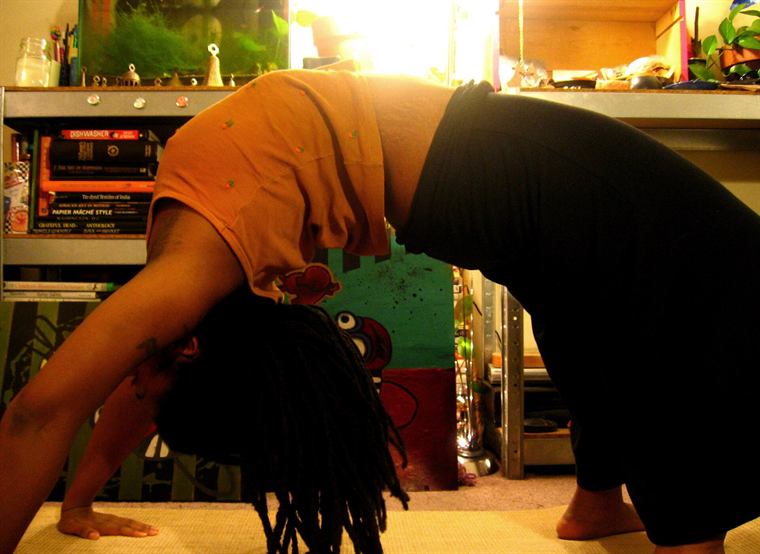
A person stretching in morning light
Morning light, first habit of the day

What these programmes are not. They are education, not healthcare. We do not diagnose conditions, we do not treat illness, and we do not adjust medication or clinical advice. Nothing on this page is a claim that any habit will improve, cure or prevent a medical condition.

If you are being treated for something, tell us and tell your clinician. We are happy to teach around a treatment plan, and equally happy to say that a question needs a doctor rather than a teacher.

Who we teach

  • Adults who want sensible, steady habits without gimmicks or crash plans
  • People returning to movement after a long quiet stretch
  • People whose working hours change every week
  • Households that would like the kitchen to be less of an argument
  • Small employers and community groups in Montrose County arranging a workshop

Where we teach

  1. Our office in Montrose. 3410 Williams Dr, Suite 420-210, for one-to-one sessions and small groups.
  2. Halls and kitchens locally. Workshops held where it is easiest for the people attending.
  3. Outdoors, in season. Walking sessions and movement practice on local routes.
  4. Remotely, anywhere. Written guides and video or phone sessions across the Western Slope and beyond.

Not sure which one fits?

Describe the week you have and we will suggest a starting point. Most people begin with one habit, not a programme, and add the rest once the first one has stopped needing thought.

Ask a question

Or read the questions other people ask first.

Frequently asked questions